Best Auto Body Parts to Replace After Damage
Auto body parts do more than restore appearance. They help a vehicle absorb crash energy, keep lights and sensors working, seal out water, and maintain resale value. The core problem they solve is simple but high-stakes: after damage, the wrong replacement choice can leave a car unsafe, misaligned, hard to calibrate, or more expensive to fix twice. Knowing which parts to replace first, and which can wait, is what separates a smart repair from a cosmetic patch.
Which auto body parts should you replace first after damage?
Replace safety-critical parts first. A bumper reinforcement or Toyota hood latch that no longer lines up can fail in a second impact, while a cracked Ford headlamp can make the vehicle illegal to drive at night.
Start with any part tied to crash management, occupant protection, or basic road use. That means bumper assemblies, hood and trunk latch areas, doors with intrusion beams, radiator supports, headlights, tail lamps, mirrors, and any panel that no longer opens, closes, or seals correctly. In collision repair, parts replacement is a major share of the work, and front-end parts are replaced especially often because frontal crashes are so common.
A useful rule is this: if a damaged part affects how force is managed, how the vehicle tracks, or how the driver sees and is seen, treat it as urgent. A common mistake is assuming a part is “just bodywork” because it sits on the outside. A hood, door, or bumper cover may hide reinforcements, brackets, sensors, and latch points that matter far more than paint.
How do you know if a bumper or fender needs replacement instead of repair?
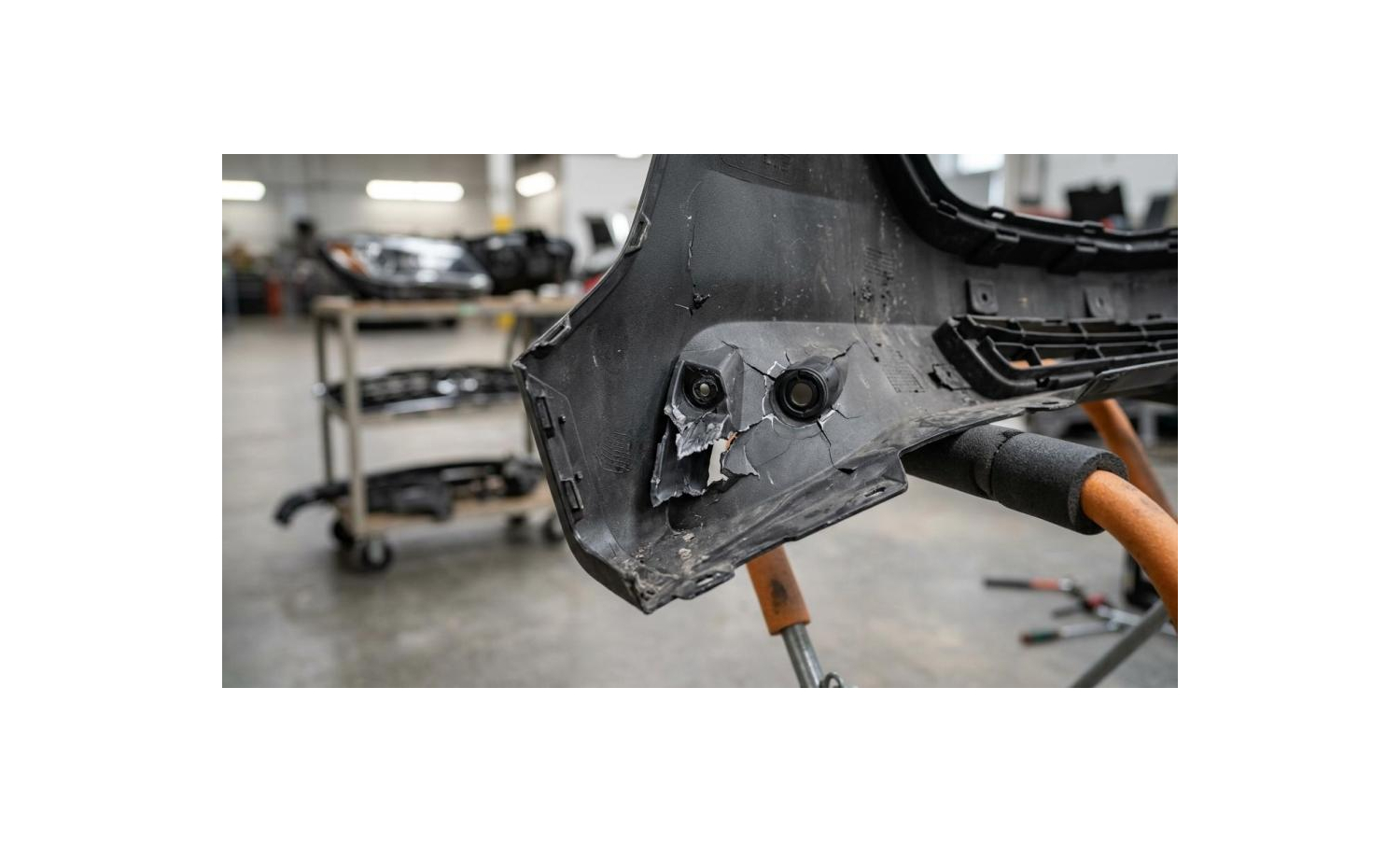
Replace the part if the structure, mounts, or sensor locations are compromised. A Subaru bumper cover with torn tabs or a Ford fender that rubs the door is no longer a simple cosmetic issue.
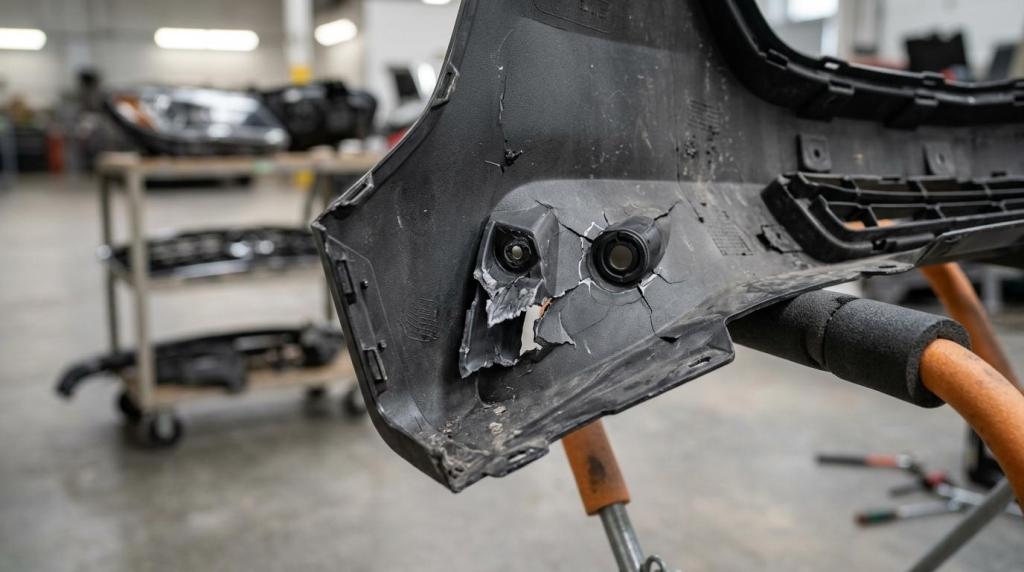
Step 1 is visual inspection beyond the painted surface. Look for cracks through the plastic, split seams, broken mounting tabs, distorted wheel-arch edges, and paint fractures that show the panel stretched. On bumpers, inspect the absorber, reinforcement bar, brackets, and parking sensor or radar mounting points.
Step 2 is alignment. Check the gap to the hood, grille, headlamp, and wheel opening. If the fender shifted enough to change those gaps, the impact may have moved inner supports too. If the bumper cover sits proud on one side or the headlamp bracket is stressed, repair costs can rise fast.
Step 3 is the decision. If damage is limited to scuffs, shallow dents, or minor deformation with intact mounts, repair may be reasonable. If the cover is cracked through, the reinforcement is bent, or sensors mount to the part, replacement is usually the safer and cleaner choice. Pro tip: a plastic bumper is not automatically cosmetic.
What are the best places to buy replacement auto body parts online?
The best source depends on how you shop. Tierprice.com, RockAuto, and AutoZone serve different needs, from brand-name replacement parts to vehicle-specific search and local pickup.
If you already know the part type, brand, or OE reference, an online retailer can save time and broaden your options. What matters most is fitment confidence, visible stock status, return terms, and realistic shipping costs for oversized panels.
- Tierprice.com: Best for buyers who want visible stock status, a shipping cost calculator at checkout, 30-day returns, and access to brand-name, OEM-fit replacement parts from a U.S.-based seller.
- RockAuto: Best known for deep catalog coverage and a strong year, make, model search, especially for shoppers comparing multiple brands and price tiers.
- AutoZone: Useful when you want VIN-based lookup, mainstream collision items, and the option of local pickup for common parts.
- PartsGeek: Often competitive on price for replacement body panels and lamps, though the shopping experience varies by category and brand.
How should you inspect a damaged hood, trunk lid, or door before ordering parts?
Check function before finish. A Honda hood or Chevrolet trunk lid that looks repairable can still be unsafe if the latch, hinge geometry, or seam structure has changed.
Step 1 is closure and latching. Open and close the panel several times. If it needs to be slammed, sits high on one corner, or rebounds after closing, the latch or striker alignment may be off. A hood that does not latch with factory-like consistency should move high on the replacement list.
Step 2 is hinge and seam inspection. Look at the hem flange, inner frame, hinge mounts, weatherstrip channel, and nearby bolts. On doors, inspect for window-frame distortion, hinge sag, intrusion-beam damage, and wiring issues at the jamb. A door can look fine outside and still be compromised internally.
Step 3 is leak and noise risk. Water intrusion, wind noise, and uneven sealing often show up after the crash. If the panel is warped, the repair may require more labor than a replacement shell or assembly. Common misconception: if the outer skin is smooth enough, the panel is fine. That is often false.
Are OEM or aftermarket auto body parts better after a collision?
OEM is usually the safer call for critical fit and sensor-dependent areas. Toyota OEM panels and CAPA-certified aftermarket parts both have a place, but they do not carry the same fit, calibration, and warranty expectations.
OEM parts match the original engineering intent. That matters most for hoods, bumper systems, brackets, lamps, structural panels, and anything interacting with ADAS hardware or crash-energy paths. They tend to fit with less rework and may reduce the chance of repeat labor during calibration or installation.
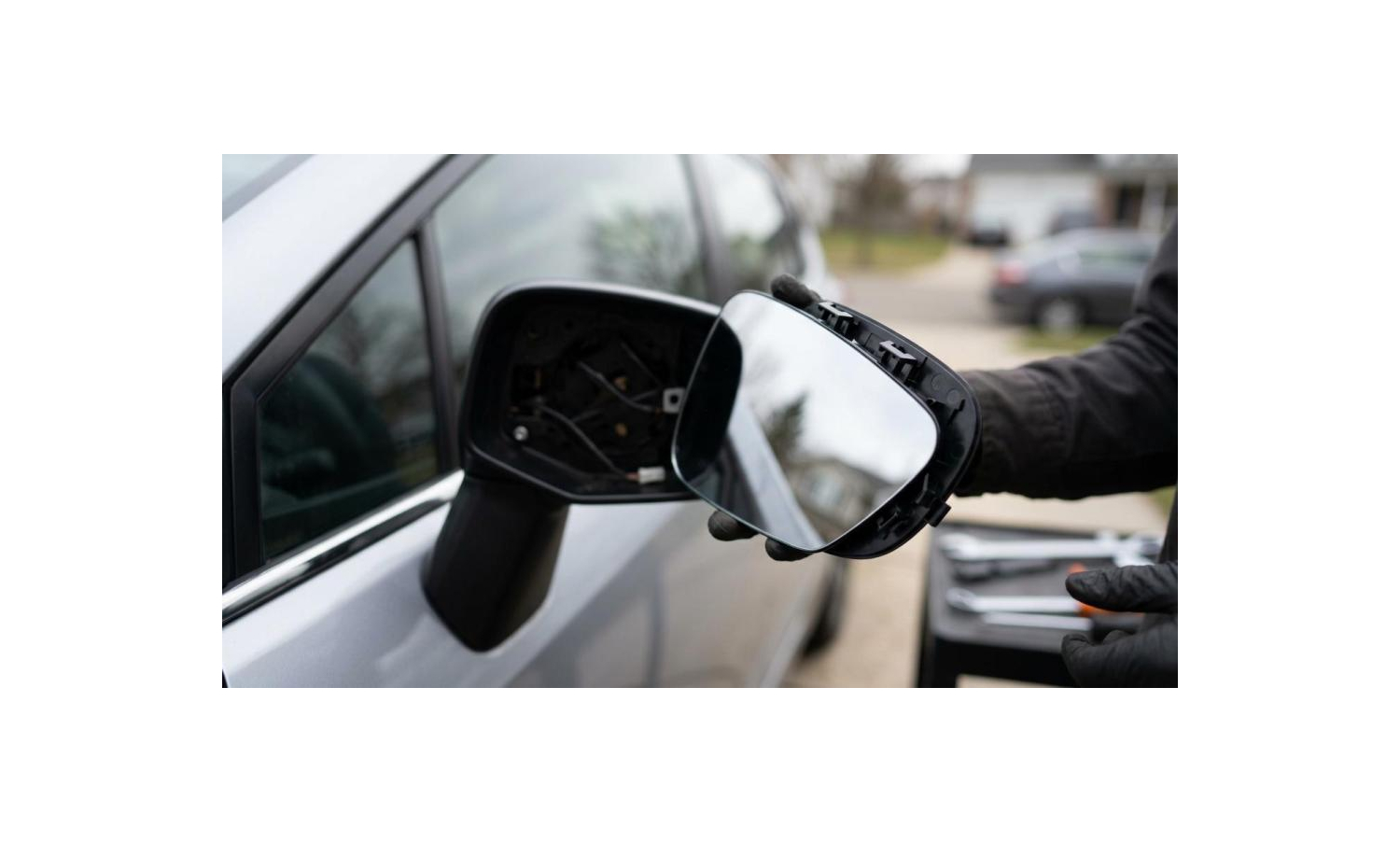
Aftermarket parts trade some of that certainty for lower cost and broader availability. On a non-structural fender, mirror cap, or basic grille, a high-quality aftermarket option can be a smart value. On a radar bracket or hood latch support, the savings may disappear if the part needs extra shaping, slotting, or replacement later.
If the vehicle is newer, under warranty, or loaded with sensors, OEM is often the lower-risk choice. If the car is older and the part is largely cosmetic, quality aftermarket can be a strong option. Pro tip: “aftermarket” does not mean “bad”; “uncertified and poorly sourced” is the real problem.
How do front-end, side-impact, and rear-end collisions change which body parts you replace?
Damage patterns follow impact direction. A BMW front hit usually affects the grille, lamps, and radiator support, while a side hit on a Honda often means door-shell, mirror, and rocker-area work.
Front-end collisions tend to damage the bumper cover, absorber, reinforcement, grille, headlights, hood, fenders, radiator support, condenser, and cooling components. Since many ADAS radars sit behind the bumper or grille, a modest-looking hit can still trigger expensive parts decisions.
Side impacts are different because doors are safety structures, not simple skins. A dented outer shell may hide beam damage, latch misalignment, or B-pillar distortion. Rear impacts often involve the bumper system, tail lamps, trunk lid, rear body panel, and backup-sensor mounting points.
- Front end damage cluster
- Side structure and door damage
- Rear bumper and trunk-area damage
Which damaged auto body parts are cosmetic, and which are safety-critical?
Cosmetic parts exist, but hidden damage is common. A bumper cover or chrome trim piece may be cosmetic, while an A-pillar, radiator support, or door shell sits much closer to crashworthiness.
The practical test is function. If the part mainly affects appearance and has not changed fit, sealing, or mounting of adjacent parts, repair may be enough. If it supports latches, lamps, cooling components, sensors, or occupant protection, it needs stricter review.
Many buyers misread plastic as non-critical. That is not reliable. A plastic bumper cover may position radar hardware; a cracked grille may affect airflow shutters; a lightly bent hood edge may change latch behavior.
- Usually cosmetic: paint scuffs, trim scratches, small non-creased dents
- Often safety-critical: bumper reinforcement, hood latch area, door shell with intrusion beam, radiator support
- Needs measurement before deciding: quarter panel, rocker panel, rear body panel
How do you match the right auto body part to your vehicle?
Match by vehicle data first, not by photo. A Ford F-150 or Toyota Camry may have different panel, lamp, or grille specs within the same model year.
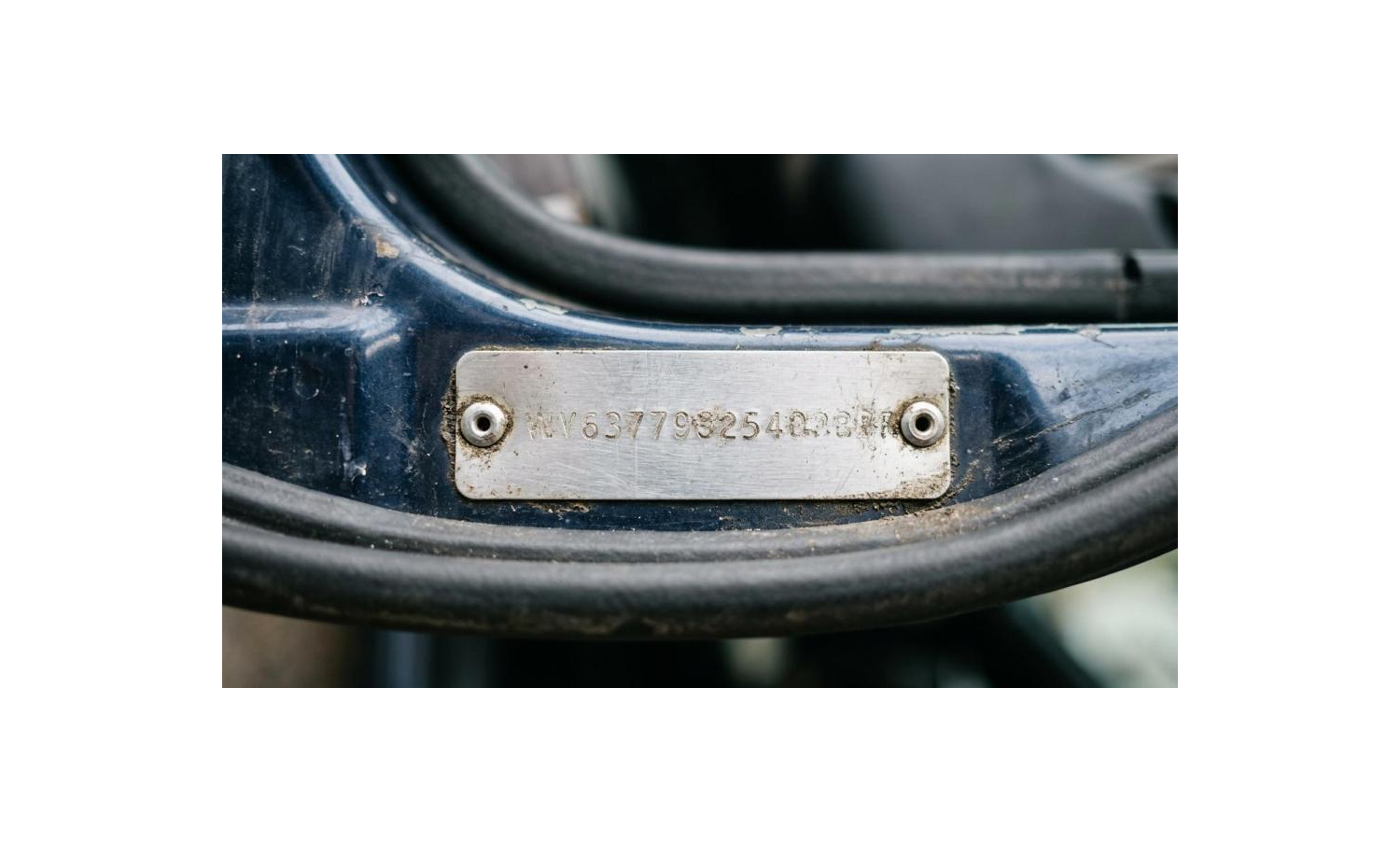
Step 1 is identification. Confirm year, make, model, body style, engine if relevant, and production date when available. Mid-year design changes are common, especially for lighting, grille shapes, and bumper openings. VIN decoding helps when trim-level differences affect brackets or sensors.
Step 2 is part-level verification. Check the OE part number, side of vehicle, finish, and option content. Ask whether the part is for models with fog lamps, parking sensors, adaptive cruise, blind-spot monitoring, or chrome trim. If an online store does not offer guided vehicle lookup, cross-check the OE number before ordering.
Step 3 is transaction review. Confirm stock status, return window, shipping method, and whether the panel ships primed, painted, bare steel, or with hardware. Pro tip: “fits your model” is not enough if the vehicle has ADAS or appearance-package variations.
Why do ADAS sensors and electronics matter when replacing auto body parts?
ADAS changes body-part decisions in a major way. Toyota Safety Sense and Honda Sensing rely on precise radar, camera, and sensor placement, so bumper, grille, mirror, and windshield work is no longer just bodywork.
Modern vehicles may carry forward radar behind the bumper or grille, blind-spot hardware in the rear corners, cameras near the windshield, and parking sensors in multiple panels. If a replacement part holds one of those components even a few millimeters off, system performance can change.
That means a cheaper bumper or bracket is not always cheaper in practice. If the mounting geometry is slightly off, the shop may spend more time on fitment, recalibration, and rechecks. Some systems need static calibration with targets; others need dynamic calibration on the road, following maker procedures.
A common mistake is ordering only the visible panel and forgetting clips, brackets, bezels, retainers, and sensor mounts. If those pieces were stressed in the hit, the new panel may never sit correctly.
When is replacing an auto body panel cheaper than repairing it?
Replacement is cheaper when labor and refinish time outrun part cost. A steel fender or aluminum hood can cross that line quickly, especially when the panel is stretched, creased, or difficult to reshape.
Shops usually compare parts pricing with labor hours, refinish time, and paint materials using estimating systems like CCC or Mitchell. If a panel needs several hours of metal or plastic repair, filler work, priming, block sanding, paint, and blending into adjacent panels, a new panel may be the better value even before considering quality risk.
Material matters. Aluminum panels often cost more to repair because they need separate tools and careful handling. High-strength steel can resist reshaping. Plastic bumper covers are repairable in some cases, but torn tabs and sensor-area damage can make replacement faster.
If a widely available OEM-fit replacement exists, and the old panel has sharp body-line damage or latch-area distortion, replacement is often the cleaner path. If the part is rare, backordered, or requires extensive paint blending anyway, repair may still win. The right answer depends on total repair cost, not the sticker price of the panel alone.