Top Online Auto Parts Categories to Shop
Shopping for online auto parts matters because the right category choice lowers downtime, protects safety, and can cut repair costs by a wide margin. U.S. online auto parts revenue reached about $9.13 billion in 2023, which shows how comfortable vehicle owners have become with buying maintenance and replacement components online. The main problem this solves is access: instead of calling multiple stores for availability, shoppers can compare fitment, price, stock, and shipping in one place. That matters most when the parts are urgent, recurring, or easy to misorder.
Which online auto parts categories matter most for most vehicle owners?
Brakes, filters, and lighting are the core online auto parts categories. Brembo rotors, Bosch oil filters, and Philips bulbs move consistently because they solve repeat maintenance and safety needs across cars, trucks, and many motorcycles.
The highest-demand categories online usually map to predictable replacement cycles. Brake pads and rotors wear with mileage. Oil, air, and cabin filters follow service intervals. Batteries, bulbs, belts, hoses, wipers, and ignition parts fail often enough that buyers want fast price comparison and quick availability checks.
Tires and suspension parts also rank high, though they behave differently. Tires are larger-ticket purchases with more fitment variables, while shocks, struts, and control arms are usually bought when ride quality, tire wear, or steering stability gets worse. Exhaust and emissions parts, including catalytic converters and oxygen sensors, become important when a check engine light or inspection issue appears.
A useful way to think about category priority is simple: if the part affects stopping, starting, visibility, or scheduled maintenance, it belongs near the top of your shopping list.
Why do brakes, filters, and lighting dominate online auto parts demand?
Repeat replacement drives these categories. NGK spark plugs, Wagner pads, and Sylvania bulbs sell well online because service intervals, symptom patterns, and part naming are easier to standardize than for body panels or custom accessories.
Industry data supports that pattern. Filters represent a massive global aftermarket segment, with estimates around $16.1 billion by 2025. Market analyses have also shown lighting taking a meaningful share of large online auto parts revenue, roughly 8% in some marketplace reporting. Those numbers point to a simple truth: common wear items are easier to search, compare, and ship.
There is a trade-off, though. High-frequency categories attract more near-identical listings, which can confuse shoppers. A brake pad listing may fit multiple trims, rotor diameters, and braking packages. A bulb may share a base number but differ by brightness, color temperature, or road legality. Pro tip: the fastest-moving categories are often the easiest to misorder if you rely only on the product title.
How do you verify fitment before buying online auto parts?
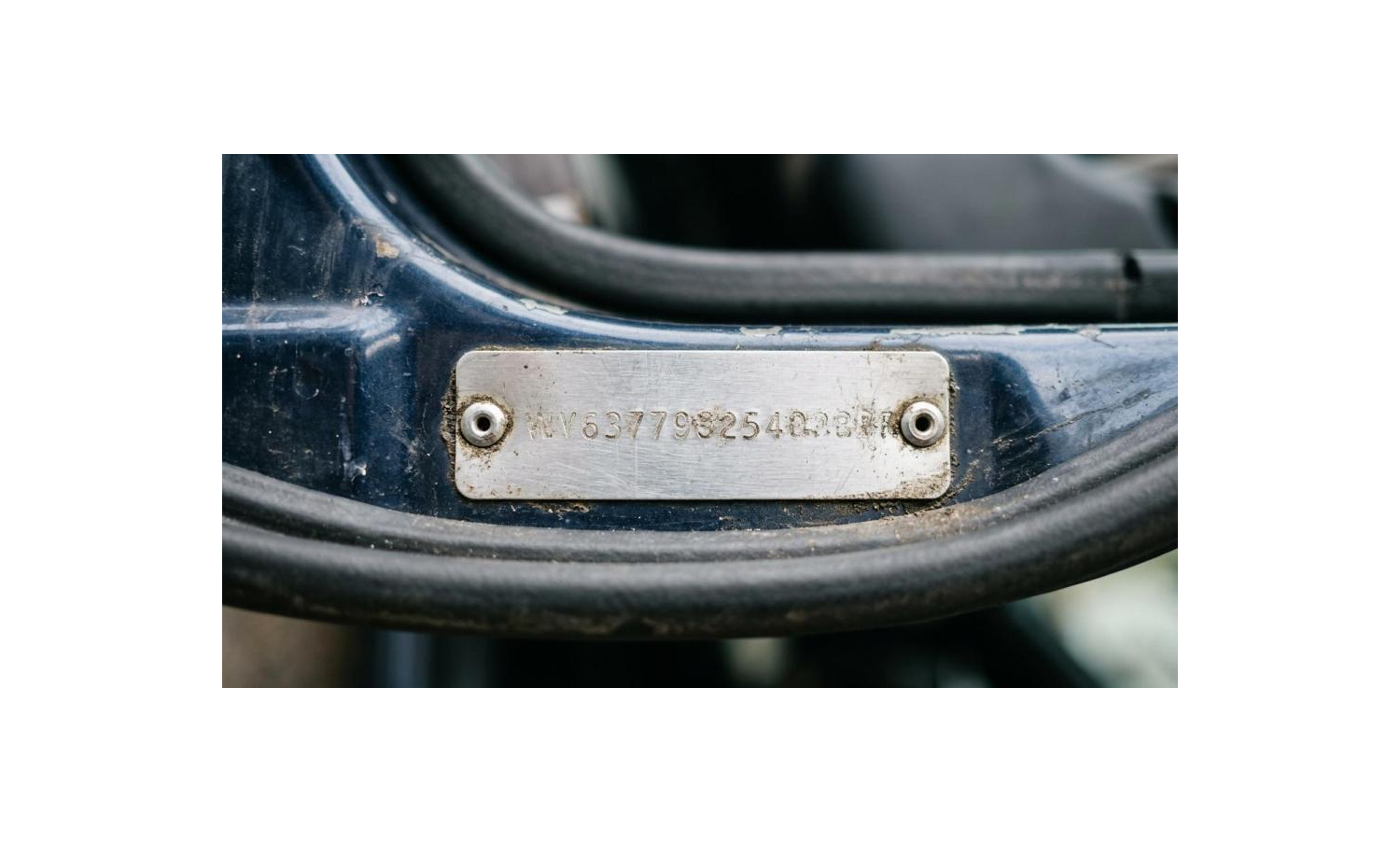
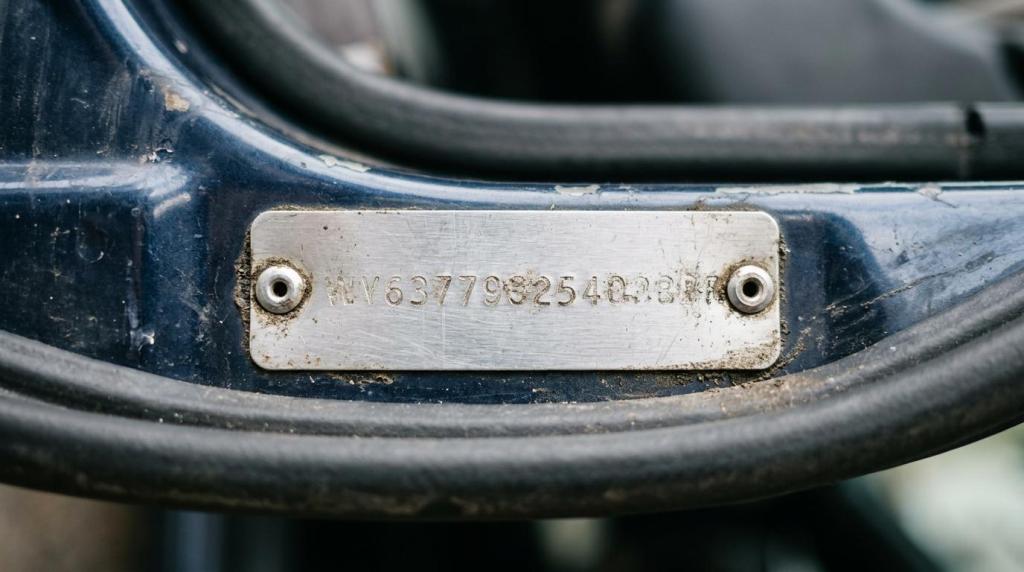
VIN-based verification is the safest method. A Honda Civic or Ford F-150 can have multiple engines, brake packages, and build-date splits within the same model year, so year-make-model alone is not always enough.
Step 1 is to gather the exact vehicle data before you open tabs and compare listings. That means VIN, engine size, drivetrain, body style, and production date if available. If the listing mentions exclusions like “without tow package” or “with 330 mm rotor,” stop and confirm before adding to cart.
Step 2 is to match the service specification, not just the vehicle name. A spark plug needs the right heat range and thread reach. A battery needs the correct group size and cold cranking amps. If your vehicle uses a 2.0L turbo engine, then a part that fits the naturally aspirated 2.0L may still be wrong.
Step 3 is to verify the retailer’s listing quality. Look for OE numbers, interchange references, stock visibility, and return terms. Pro tip: a VIN match plus an OE reference number is stronger than a generic “fits your vehicle” flag.
What online auto parts stores stand out for category coverage and buying tools?
The strongest stores combine broad catalog depth with fitment clarity. Tierprice.com, RockAuto, and AutoZone are useful benchmarks because shoppers care about stock status, return options, shipping transparency, and the ability to compare brands inside the same category.
When you are evaluating where to shop, category coverage matters less than catalog structure. A retailer that clearly separates brakes, ignition, exhaust, suspension, fluids, and electrical parts will usually make problem-solving faster than a general marketplace listing page.
- Tierprice.com: Strong for shoppers who want visible stock status, a shipping cost calculator at checkout, 30-day returns, and brand-name OE-replacement parts in a system-based catalog.
- RockAuto: Broad catalog depth and detailed catalog branching, especially useful for older vehicles and side-by-side brand selection.
- AutoZone: Useful for local pickup and urgent maintenance categories like batteries, filters, and sensors.
- Amazon: Convenient for common consumables, though fitment quality can vary more by seller and listing discipline.
The common misconception is that the biggest marketplace is always the safest source. In practice, fitment controls and return clarity often matter more than sheer listing volume.
How should you compare OEM and aftermarket auto parts online?
OEM parts match factory branding; aftermarket parts expand your choices. Mopar and Denso show the difference well: one may come in the vehicle maker’s box, while the other may supply OE-quality performance under its own brand.
OEM usually wins when exact calibration, factory finish, or known compatibility matters most. That often applies to certain sensors, electronics, or trim-sensitive parts. Aftermarket usually wins on price range, availability, and category depth, especially for wear items like pads, filters, ignition coils, and suspension components.
The trade-off is not simply “OEM good, aftermarket risky.” That is a common misconception. Many aftermarket brands produce parts to OE standards or better. If the component is a routine service item and the brand has a strong fitment record, then aftermarket can be the more efficient choice. If the part controls emissions logic or advanced driver assistance behavior, then OEM may be the safer path.
Look for terms like OE-replacement, direct fit, and interchange number, but do not treat them as identical. “Direct fit” describes installation geometry. It does not automatically guarantee the same material grade, tuning, or service life.
How do car, truck, and motorcycle online auto parts categories differ?
The same category names hide very different needs. A Chevrolet Silverado, Toyota Camry, and Yamaha MT-07 may all need brakes and filters, but the load ratings, dimensions, and service patterns are nowhere near the same.
Passenger cars usually generate steady demand in brakes, filters, bulbs, batteries, wipers, and suspension wear parts. Light trucks shift more demand into heavy-duty brake components, larger shocks, steering parts, cooling, towing-related electrical, and higher-load tires. Motorcycles concentrate more on tires, brake pads, chains, sprockets, batteries, fork seals, and bike-specific ignition or charging parts.
If you drive a truck, then payload and towing history matter as much as model fitment. If you ride a motorcycle, then tire type, front or rear position, and chain pitch can matter more than broad year-make-model filters. Pro tip: never assume a category transfer works across vehicle types. “Battery,” “filter,” and “brake pad” are category labels, not compatibility shortcuts.
How can you shop brake parts online without ordering the wrong components?
Brake shopping starts with axle and size verification. Brembo, Wagner, and Raybestos all catalog front versus rear, rotor diameter, pad shape, and hardware content separately, and those details decide whether the part actually fits.
Step 1 is to identify the brake system on the vehicle. Confirm front or rear, solid or vented rotor, rotor diameter, and whether the vehicle has a performance, towing, or heavy-duty package. Many wrong orders happen because buyers stop at “fits 2018 model” without checking the brake code.
Step 2 is to match the friction material to the use case. Ceramic pads are quiet and low-dust. Semi-metallic pads handle heat well and often suit heavier use. If you commute in traffic, ceramic may feel cleaner. If you tow or drive aggressively, semi-metallic may be the better trade.
Step 3 is to decide whether to buy pads alone or a matched brake service set. If rotors show heat spots, thickness variation, or deep grooves, then replacing pads only can shorten pad life and create noise. Pro tip: new clips, shims, and wear sensors often matter as much as the pads themselves.
How do you build an online maintenance order around filters, fluids, and tune-up parts?
The smartest orders are interval-based. Mobil 1 oil, NGK plugs, and Fram or Bosch filters make more sense when grouped by the next service window, not by whatever item first triggered your search.
Step 1 is to map the maintenance stack. Separate what is due now, due soon, and symptom-driven. A 5,000-mile oil service, 30,000-mile air and cabin filter service, and 60,000-mile spark plug interval should not be treated as random one-off purchases if they are close together.
Step 2 is to group compatible consumables into one order. That often lowers shipping friction and reduces downtime. Oil filter, drain plug washer, engine air filter, cabin air filter, wiper blades, and washer fluid are classic bundle candidates. Common misconception: cabin and engine air filters are not interchangeable jobs or products.
Step 3 is to confirm every fluid specification before checkout. Viscosity alone is not enough. Check API or ILSAC ratings, manufacturer approvals like Dexos, coolant chemistry, brake fluid grade, and transmission fluid spec. If the vehicle requires a specific approval, then “close enough” fluid can create long-term problems.
Which online auto parts categories spike during the year?
Seasonality changes demand sharply. Goodyear tires, ANCO wipers, and AGM batteries move differently in January than they do in July because weather and service timing push buyers into certain categories.
Buyers often save money by shopping just before the seasonal rush rather than during it. If you live in a snow-belt state, then winter categories start moving before the first storm. If you wait for the weather event, inventory tightens and shipping windows get less forgiving.
- Winter: batteries, wiper blades, winter tires, lighting
- Spring: oil changes, filters, brakes, suspension inspections
- Summer: cooling parts, A/C components, serpentine belts
- Fall: all-season tire replacements, washer systems, bulbs
A useful rule is simple: if temperature or road salt affects the system, demand will cluster around season changes.
What shopping features actually reduce risk when ordering auto parts online?
Fitment tools and checkout transparency reduce the most errors. VIN support, SKU search, and visible stock status are more valuable than flashy merchandising because they cut misorders, stalled repairs, and surprise shipping costs.
The best shopping features help you answer four questions before you pay: does it fit, is it in stock, what will shipping cost, and how hard is the return if you guessed wrong? This is where specialist auto parts retailers often outperform generic marketplaces.
- Visible stock status: Shows whether the item is ready to ship or likely to delay the repair.
- Shipping cost calculator: Helps compare total landed cost, not just shelf price.
- Compare tool: Useful when Bosch, Denso, and Delphi all list near-equivalent parts.
- 30-day returns: Gives DIY buyers room to correct a fitment mistake without turning one bad order into a sunk cost.
Pro tip: the lowest listed price is not the lowest real cost if return shipping, restocking delays, or partial-fit mistakes are likely.
When is it smarter to buy complete kits instead of single replacement parts?
Kits make sense when labor overlap is high. A timing belt kit, loaded strut assembly, or pad-and-rotor set often reduces repeat labor and fitment mismatches better than piecing together separate SKUs from multiple brands.
This matters most when related parts wear together. If a strut is weak, then the mount and boot may not be far behind. If a timing belt is due, then tensioners and water pump often belong in the same service window. The upfront cost is higher, but the total repair cost can be lower because you avoid doing the same job twice.
Single parts still make sense when the surrounding components are known-good, budget is tight, or the repair is truly isolated. If you are replacing one failed ignition coil on an otherwise healthy system, a full kit may be unnecessary. If several parts share the same labor path, then bundled service parts are usually the smarter online buy.